




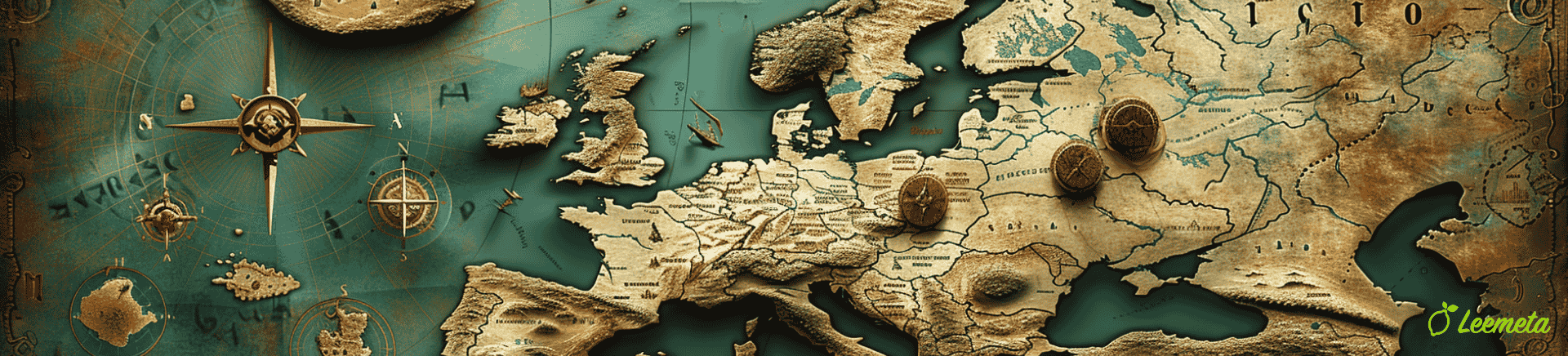


Ever wondered where the German language originated? Like most languages, it has an ancient and fascinating history that traces back thousands of years. German, a proud member of the Germanic language family, can thank its ancient roots in the Indo-European language family for its development. Let’s dive into its journey, from its early beginnings to the robust language we know today.
The Roots of German: A Step Back in Time
German belongs to the broader Germanic family, itself a branch of the Indo-European language tree. This ancient parent language is thought to have been spoken as far back as 5000 BC. The journey of the German language started when the Indo-European language began to split, and the Germanic tribes gradually migrated across Northern Europe. Some scholars suggest the language originated in the Russian steppes, while others point towards Anatolia (modern-day Turkey). Wherever it started, German grew through millennia of evolution.
From Proto-Germanic to the Early German Dialects
The Proto-Germanic language that evolved around the 1st millennium BC eventually branched into languages spoken by different Germanic tribes, including the Goths and the ancestors of the English. By the 6th century, these dialects began shaping early forms of German. Over time, influences from Latin—thanks to the Roman Empire—and migration shaped different German dialects that we recognize today, including Bavarian and Saxon. One major shift in German occurred during the High German consonant shift, changing the language’s phonetics forever.
Modern German: Evolution in Stages
The first stage of the German language that we can recognize today is Old High German (600–1050 AD). It was in this period that the word deutsch, meaning “of the people,” was first used. The language continued to evolve into Middle High German (1050–1350), Early New High German (1350–1650), and Modern High German from 1650 onwards. Along the way, German absorbed influences from French, Italian, and many other languages, while maintaining its rich structure.
Fun Fact: How German Became the Language of Many Words
What makes German so special? Apart from its grammatical complexity, German is known for compounding—the ability to combine words into long, specific terms. Ever wondered why German has such fun, lengthy words like Donaudampfschifffahrtsgesellschaftskapitän? It’s all part of the language’s logical structure that lets you combine words to create exact meanings. In fact, English shares this trait—so the next time you think of butterfly, just remember that German's version (Schmetterling) sounds even more fascinating!
Conclusion: German—A Language with Deep Roots
From its Indo-European roots to its role today as one of Europe’s key languages, German has a rich and dynamic history. Its evolution from ancient Germanic tribes to modern-day dialects shows how deeply connected languages are to history, culture, and migration. Whether you’re learning German or already speak it, remember you’re speaking a language that has travelled across millennia to reach its current form.
Did you like the article?
 Share on Facebook
 Share on Twitterj
 Copy link
More like this
27 July 2022
At Leemeta, we work with files the clients export directly from DTP programs, such as InDesign and Affinity Publisher, all the tim...
07 September 2022

In today's article, we are going to discuss how you can turn your WooCommerce web store into a multilingual web store and offer yo...

 30.000 readers






Add new comment